 My
MyBest DNA Test for East Asian Ancestry in 2026
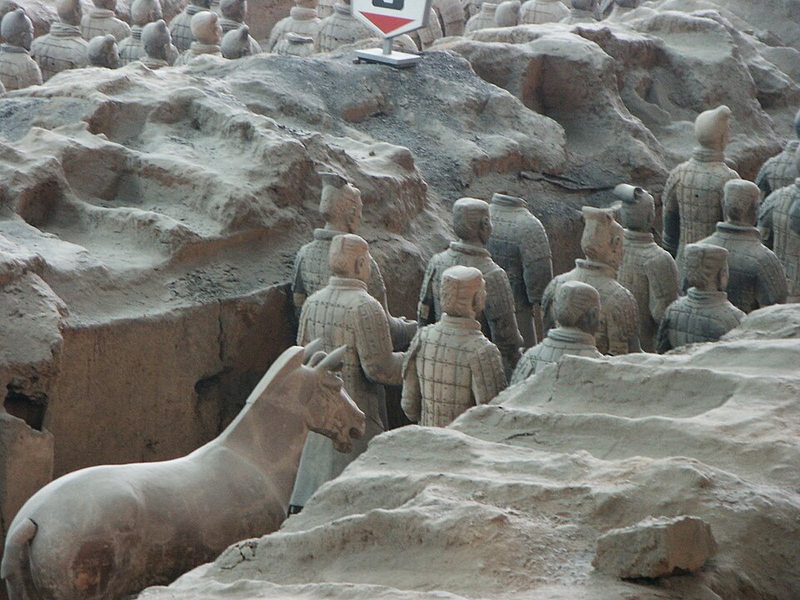
East Asian ancestry results range from broad continental estimates to detailed sub-regional breakdowns (Japanese, Korean, Han Chinese, Yayoi/Jōmon in Japan, and more), plus a separate ancient-origins comparison to the deep ancestral lineages behind the region. Which test is "best" depends on whether you want modern regional precision, an ancient-population comparison, or both.
At a glance
| Service | East Asian-relevant feature | Base price | Best for |
|---|---|---|---|
| MyHeritage | Ancient Origins compares your DNA to East Asian ancestral categories built from published ancient-genome research, alongside a modern regional ethnicity estimate | $89 | Combining a modern regional estimate with a deep-time ancient-population comparison in one report |
| 23andMe | One of the more granular modern East Asian breakdowns among mainstream providers, split into country- and sub-region-level categories | $119 | Fine-grained modern regional detail (e.g., distinguishing Japanese, Korean, and Chinese ancestry) |
| AncestryDNA | Large East Asian reference panel and a correspondingly large match database for finding living relatives | $99 | Finding DNA matches and relatives with East Asian ancestry |
| WeGene | A China-based provider with a reference panel built specifically around East Asian populations, often cited for finer resolution within China specifically | Varies by region | Users who want maximum resolution within Chinese sub-regional ancestry specifically |
Our take
If you want to see how your DNA compares to the deep ancestral lineages behind East Asian populations — not just a modern country-level estimate — MyHeritage's Ancient Origins is the most direct mainstream option with a named ancient-population category for the region. See what that comparison actually reflects on our East Asian ancient ancestry page. If your priority is the most granular modern-day regional breakdown, 23andMe's East Asian sub-categories are more commonly cited for that purpose, and if it's finding living relatives, AncestryDNA's larger database is the usual advantage.
What "East Asian ancestry" actually means in your results
Most East Asian ancestry, whether reported as a modern region or an ancient-origins category, traces back to a mixture of two deep ancestral lineages associated with the Yellow River and Amur River basins, later shaped by regional migrations and, in Japan specifically, additional Jōmon hunter-gatherer ancestry. A result naming a modern country reflects your resemblance to present-day reference populations from that country; an ancient-origins result reflects direct comparison to archaeological genomes. For the full picture, see our East Asian ancient ancestry guide.
Don't skip the free option
If you've already tested elsewhere, some providers let you upload existing raw DNA data at low or no cost rather than buying a second full kit. See our step-by-step testing guide for how that process generally works before purchasing a second test.
FAQ
Why do my East Asian percentages differ between providers?
Each provider builds its own reference panel and algorithm, so the same raw DNA can produce somewhat different regional breakdowns between companies. This is normal and expected rather than a sign that one company is wrong.
Does MyHeritage break down East Asian ancestry by country?
MyHeritage offers both a modern regional ethnicity estimate and a separate Ancient Origins comparison to ancient East Asian population categories; for country-level modern granularity specifically, 23andMe is more commonly cited as offering finer resolution.