 My
MyFrench DNA Ancestry: What Your Results Actually Show
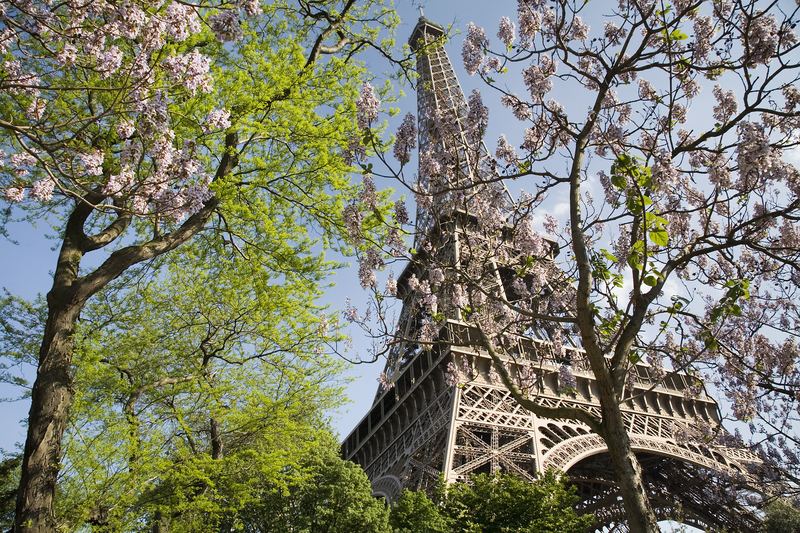
A "French" result on a DNA test reflects genetic similarity to present-day reference populations sampled from France — it doesn't map onto a single ancient people or a fixed ethnic boundary, since the region has absorbed thousands of years of migration, conquest, and mixture across a large and geographically varied territory.
At a glance
| Reference type | Modern population comparison, not a direct ancient-DNA match |
|---|---|
| Deep ancestral layers | Hunter-gatherer, Early European Farmer, and Bronze Age steppe ancestry, in roughly that chronological order |
| Key historical layer | Iron Age Gaulish (Celtic) populations, Roman-era Gaul, and later Frankish settlement that gave France its name |
The deep layers beneath "French" ancestry
Like most of Western Europe, the population of modern France descends from three major ancestral waves: Mesolithic hunter-gatherers, Neolithic farmers who arrived from the Near East, and Bronze Age steppe migrants who spread across the continent from the east. See our guides to hunter-gatherer ancestry, Early European Farmer ancestry, and Bronze Age Steppe ancestry for how each layer contributed to the modern French genetic landscape.
Gaul, Rome, and the Franks
Before Roman conquest, the territory of modern France was home to Celtic-speaking Gaulish tribes — part of the broader Iron Age Celtic world covered in our Celtic ancestry guide. Julius Caesar's conquest of Gaul in the 1st century BC brought several centuries of Roman rule and population exchange, explored further in our Roman-era ancestry guide. Later, Germanic Frankish groups settled and eventually gave the region its name and its early medieval ruling dynasties, adding another layer to an already mixed population.
Regional variation within France
France is genetically more internally diverse than many smaller European countries, reflecting its size and history: populations in Brittany show distinct genetic patterns linked to earlier Celtic-speaking Britons who migrated across the Channel, southern France carries somewhat more Mediterranean-associated ancestry, and the Basque region in the southwest is a well-documented genetic outlier with unusually deep, distinct local roots. A single national "French" percentage on a DNA test averages over this internal variation.
Why "French" DNA isn't a fixed category
Modern national borders are a poor proxy for ancient population boundaries. A DNA test result showing "French" ancestry reflects statistical similarity to a modern reference sample, shaped mostly by the last few centuries of relatively stable population structure — not a direct genetic link to Gauls, Romans, or Franks specifically.
FAQ
Does "French" ancestry on a DNA test mean I'm descended from the Gauls?
Not directly. Modern ancestry categories reflect comparison to present-day reference populations, not a documented genetic line back to any specific ancient group like the Gauls, Romans, or Franks — though all of those populations contributed to the deep ancestry now reflected in French reference samples.
Why do French results sometimes include Italian, Spanish, or German ancestry too?
France borders several countries and has a long history of population movement across those borders in both directions. Overlapping regional results are common and expected, especially for people with ancestors from border regions like Alsace, the Pyrenees, or the Mediterranean coast.