 My
MyItalian DNA Ancestry: What Your Results Actually Show
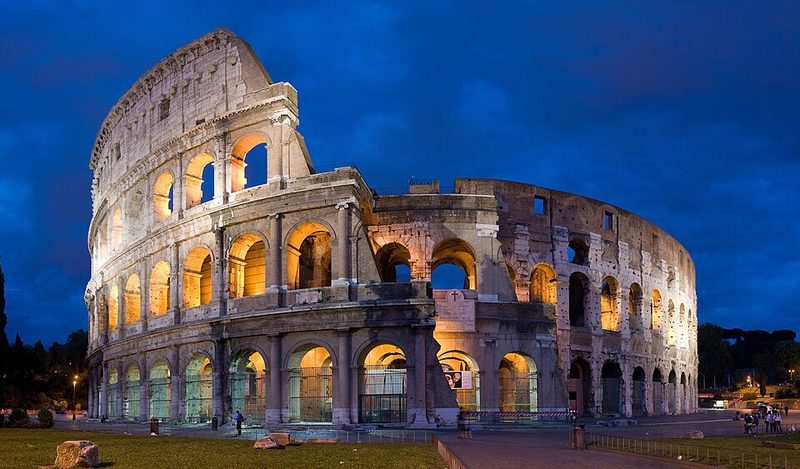
Italy's genetic landscape is unusually layered even by European standards, shaped by its central Mediterranean location, a long history as the seat of the Roman Empire, and repeated later contact with North African, Near Eastern, and other European populations.
At a glance
| Reference type | Modern population comparison, not a direct ancient-DNA match |
|---|---|
| Deep ancestral layers | Hunter-gatherer, Early European Farmer, and (to a lesser degree than Northern Europe) Bronze Age steppe ancestry |
| Key historical layer | Pre-Roman Italic, Etruscan, and Greek colonial populations, later unified and diversified under the Roman Empire |
Before Rome: a mosaic of peoples
Before Roman unification, the Italian peninsula was home to a mosaic of distinct groups — Etruscans in the north-center, various Italic-speaking peoples (including the Latins), and Greek colonies across the south, part of the wider Magna Graecia. Ancient DNA studies show these groups had somewhat distinct, though overlapping, ancestry profiles before Rome's expansion.
The Roman Empire's genetic legacy
As the capital of an empire spanning three continents, ancient Rome itself shows remarkable ancient-DNA diversity, with genomes reflecting ancestry from across the Mediterranean, Near East, and North Africa found within the city during the Imperial period. See our Roman-era ancestry guide for more on this cosmopolitan period.
Regional diversity within Italy
Modern Italy shows meaningful north-south genetic structure, with southern Italian and Sicilian populations generally carrying more detectable ancient Greek- and North African-related ancestry than northern Italian populations, reflecting different regional histories of contact and settlement.
FAQ
Does Italian ancestry always include detectable North African DNA?
Not always, but many Southern Italian and Sicilian reference populations do carry small amounts of North African-related ancestry, reflecting historical Mediterranean contact including the medieval Arab-Norman period in Sicily.
Why do Northern and Southern Italian results sometimes look genetically distinct?
Different regions of Italy experienced different historical migrations and contact patterns over thousands of years, from Alpine and Central European influence in the north to Greek and North African contact in the south, producing measurable regional genetic structure.