 My
MyPolish DNA Ancestry: What Your Results Actually Show
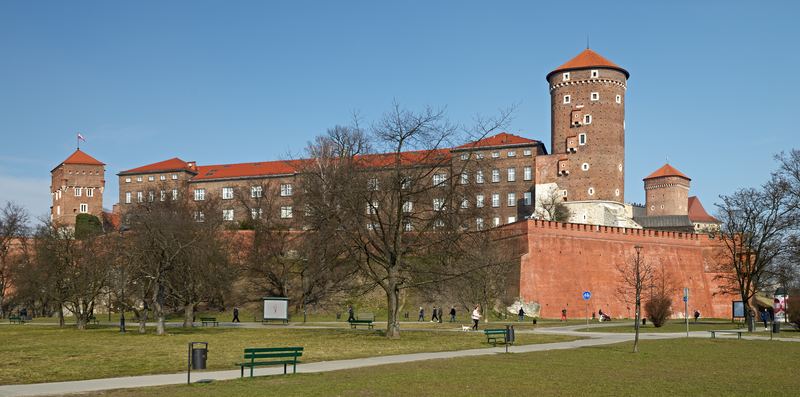
A "Polish" result on a DNA test reflects genetic similarity to present-day reference populations sampled from Poland — it doesn't map onto a single ancient people. Poland's population reflects a relatively homogeneous Slavic genetic core by European standards, layered with centuries of Central European history and, in some regions, neighboring German and Baltic influence.
At a glance
| Reference type | Modern population comparison, not a direct ancient-DNA match |
|---|---|
| Deep ancestral layers | Hunter-gatherer, Early European Farmer, and Bronze Age steppe ancestry, in roughly that chronological order |
| Key historical layer | Early medieval Slavic migration and settlement, which established the linguistic and genetic core still dominant in Poland today |
The deep layers beneath "Polish" ancestry
Like the rest of Central Europe, Poland's population descends from three major prehistoric waves: Mesolithic hunter-gatherers, Neolithic farmers from the Near East, and Bronze Age steppe migrants who spread across the continent from the Pontic steppe. See our guides to hunter-gatherer ancestry, Early European Farmer ancestry, and Bronze Age Steppe ancestry for how each layer contributed to the deep genetic baseline shared across the region.
The Slavic migrations and the roots of Poland
Poland's more recent and defining genetic layer traces to the early medieval Slavic migrations, roughly the 5th to 7th centuries AD, when Slavic-speaking populations expanded across large parts of Central and Eastern Europe. This period established the linguistic and genetic foundation still dominant in Poland today, and it's part of why Poland shows comparatively high genetic homogeneity relative to Western European countries with more layered post-Roman migration history.
How Poland compares to its neighbors
Poland's genetic profile is closely related to other West Slavic populations like the Czechs and Slovaks, and shares a broader Slavic genetic affinity with populations further east and south. Border regions show measurable overlap with neighboring Germany, Lithuania, and Ukraine, reflecting centuries of shifting borders and population movement in a part of Europe that has seen significant political and demographic change, including substantial 20th-century border and population shifts following the Second World War.
Why "Polish" DNA isn't a fixed category
Modern national borders are a poor proxy for ancient population boundaries, even in relatively homogeneous populations like Poland's. A DNA test result showing "Polish" ancestry reflects statistical similarity to a modern reference sample, shaped mostly by the last several centuries of relatively stable Slavic-associated population structure — not a documented genetic line to any specific early Slavic tribe.
FAQ
Why is Polish ancestry often reported as a large, unified percentage compared to other European countries?
Poland's population is genetically more homogeneous than many Western European countries, largely due to its relatively unified Slavic-associated genetic core. This can make Polish ancestry show up as a single strong percentage rather than being split across several closely related regional categories.
Does Polish ancestry on a DNA test always include Ashkenazi Jewish ancestry?
No, not automatically. Poland historically had one of the largest Ashkenazi Jewish populations in Europe, so some people with Polish family history do carry Ashkenazi Jewish ancestry, but the two are genetically distinct categories that a DNA test reports separately — see our Ashkenazi Jewish ancestry guide for how that signal is detected.