 My
MyHaplogroup R1a: Origins and Ancient DNA History
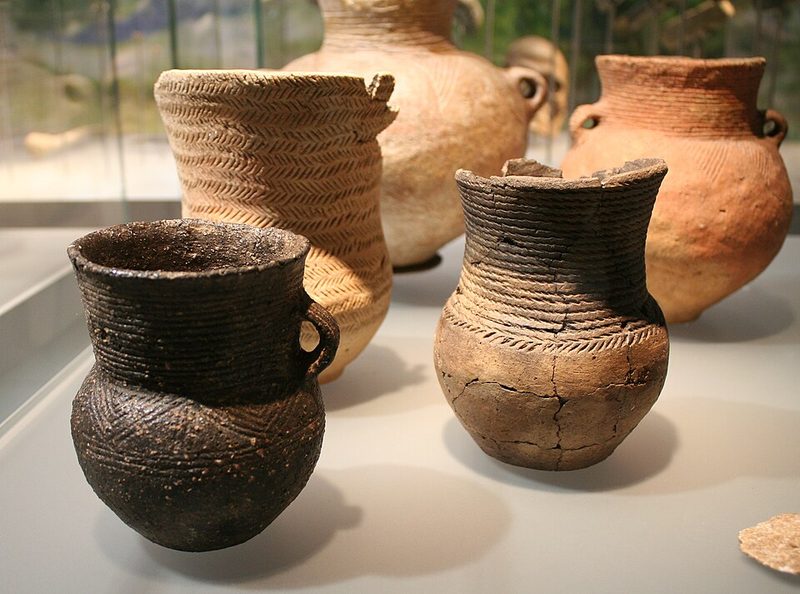
R1a is one of the most geographically widespread Y-DNA haplogroups, common today in Eastern Europe, parts of Central and South Asia, and Scandinavia. Its ancient history is closely tied to the same steppe migrations that shaped much of Eurasia's genetic landscape.
At a glance
| Type | Y-DNA (paternal line) |
|---|---|
| Estimated age | Dominant subclade R1a-M417 expanded roughly 4,500–5,000 years ago |
| Modern peak frequency | Eastern Europe (Poland, Russia, Ukraine), parts of South Asia, and Scandinavia |
| Key ancient association | Corded Ware culture and the broader Indo-European steppe expansion |
From the steppe to Eastern Europe and South Asia
Like R1b, R1a's dominant subclade spread rapidly during the Bronze Age migrations out of the Pontic-Caspian steppe, discussed in more detail in our Bronze Age Steppe ancestry guide. R1a is closely associated with the Corded Ware culture across Northern and Eastern Europe, and a related branch is linked to steppe-descended populations that moved into South Asia during the second millennium BCE.
Two branches, one deep root
Ancient DNA has identified geographically distinct branches of R1a-M417: one more associated with European Corded Ware populations, and another (Z93) more associated with populations that expanded toward Central and South Asia. Both trace back to the same steppe-ancestry expansion but diverged as different groups migrated in different directions.
What carrying R1a means — and doesn't mean
Like any Y-DNA haplogroup, R1a traces a single direct paternal line. It doesn't determine your overall ancestry percentages, which reflect input from all of your ancestors, not just one line. See our full explainer on how Y-DNA and mtDNA haplogroups work for more.
FAQ
Why is R1a found in both Eastern Europe and South Asia?
Both regions received input from the same broad steppe-ancestry migrations during the Bronze Age, which fanned out in multiple directions. Different R1a subclades ended up dominant in each region as a result of these separate migration paths.
Is R1a the same as R1b?
No. They are separate branches that diverged from a common R ancestor tens of thousands of years ago, and each has its own distinct ancient and modern geographic distribution.