 My
MyHaplogroup I1: Origins and Ancient DNA History
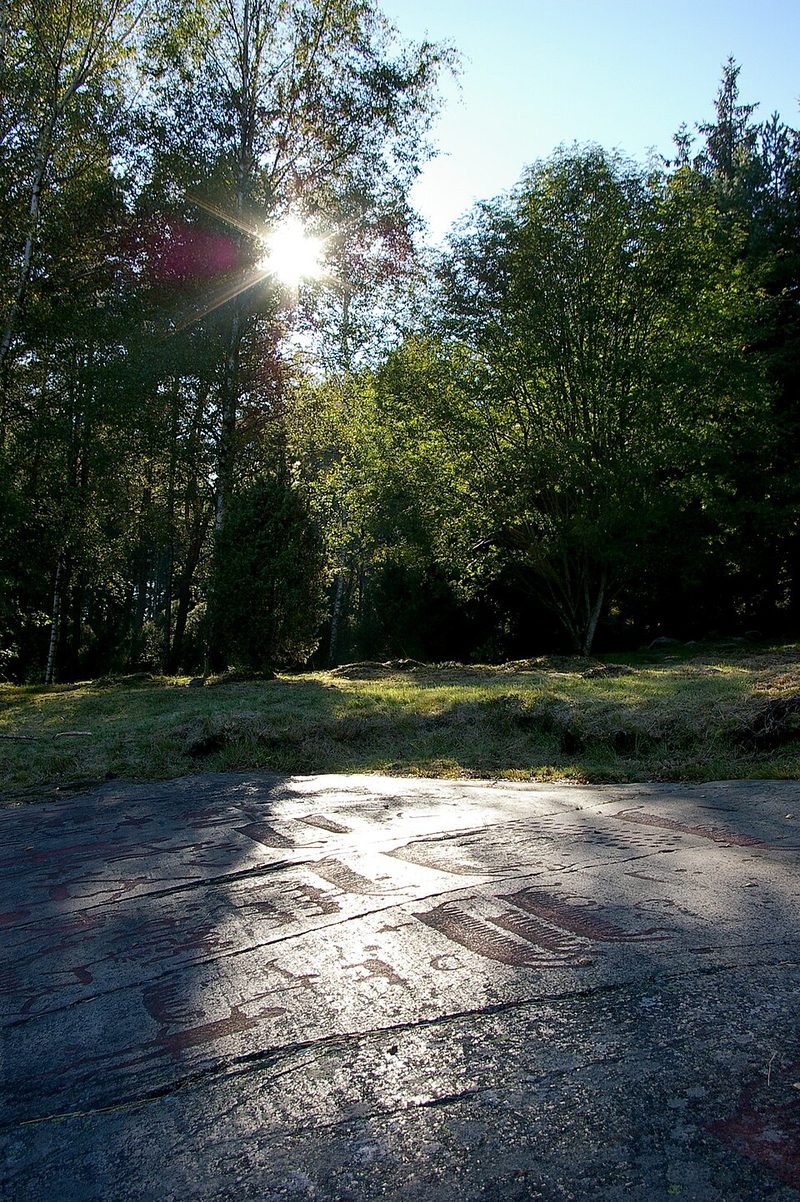
Unlike R1b and R1a, haplogroup I1 is one of the few common Western European Y-DNA lineages that isn't primarily a Bronze Age steppe import. It represents a much older European lineage that later became closely associated with Scandinavia.
At a glance
| Type | Y-DNA (paternal line) |
|---|---|
| Estimated age | Broader haplogroup I dates to European hunter-gatherer populations; I1 specifically expanded roughly 3,000–4,000 years ago from a genetic bottleneck |
| Modern peak frequency | Scandinavia (Sweden, Norway, Denmark), also common in Finland and parts of the British Isles |
| Key ancient association | Deep European hunter-gatherer ancestry, later a dominant lineage in Viking-era Scandinavia |
A deep European root
Haplogroup I as a whole is one of the oldest Y-DNA lineages associated with Europe specifically, tracing back to populations related to Mesolithic hunter-gatherers rather than later Neolithic farmers or Bronze Age steppe migrants. See our hunter-gatherer ancestry guide for more on this deep ancestral layer.
A genetic bottleneck and the Viking connection
The I1 subclade specifically appears to have passed through a significant genetic bottleneck a few thousand years ago before expanding again, eventually becoming one of the dominant paternal lineages in Scandinavia by the Viking Age. Ancient DNA from Viking-era burials frequently shows I1 alongside R1b and other lineages. See our Viking ancestry guide for the fuller picture of Norse genetic ancestry.
What carrying I1 means — and doesn't mean
An I1 result points to a specific, well-documented paternal line with deep European roots, but like all haplogroups it represents one line among many thousands of ancestors. See our full explainer on how Y-DNA and mtDNA haplogroups work.
FAQ
Does I1 mean I'm definitely of Viking descent?
Not necessarily. I1 predates the Viking Age by thousands of years and is carried by many people with no specific Scandinavian identity. It became common in Scandinavia over time, but the haplogroup itself is older than any single historical period.
Why did I1 go through a bottleneck?
The exact cause isn't fully settled, but researchers have proposed factors ranging from small founding population size to social or environmental pressures in the relevant period. It's an active area of ongoing ancient DNA research.