 My
MyHaplogroup H (mtDNA): Origins and Ancient DNA History
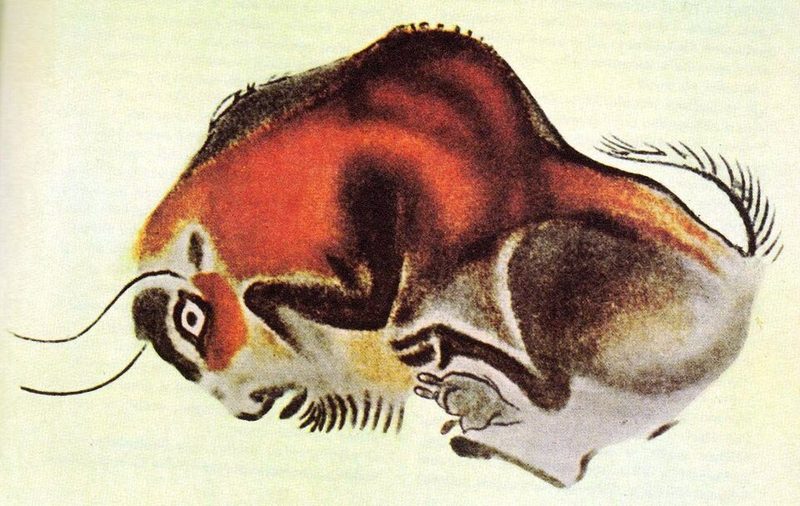
Haplogroup H is the most common mitochondrial DNA (maternal line) haplogroup in Europe today, carried by roughly 40–50% of Europeans. Unlike many Y-DNA lineages tied to the Bronze Age steppe migrations, H has much deeper European roots.
At a glance
| Type | mtDNA (maternal line) |
|---|---|
| Estimated age | Roughly 20,000–25,000 years old |
| Modern peak frequency | Europe overall, especially Western Europe; also found at lower frequencies in the Near East and Central Asia |
| Key ancient association | Ice Age refuge populations and their post-glacial expansion across Europe |
Surviving the Ice Age
Haplogroup H is thought to have originated in or near the Near East before spreading into Europe. During the Last Glacial Maximum, ancestral H-carrying populations likely survived in southern refuge areas (such as the Iberian Peninsula) before re-expanding across the continent as the ice retreated, becoming the dominant maternal lineage across much of Europe. See our hunter-gatherer ancestry guide for more on this period.
A lineage reinforced by later migrations
H's frequency in Europe was further shaped by the later Neolithic farming expansion and the Bronze Age steppe migrations, both of which also carried H at meaningful frequencies, reinforcing rather than replacing its presence. See our Early European Farmer and Bronze Age Steppe ancestry guides for those chapters of the story.
What carrying haplogroup H means — and doesn't mean
An mtDNA haplogroup traces a single direct maternal line — your mother's mother's mother, and so on — passed down largely unchanged for many generations. It says nothing about your other ancestral lines. See our full explainer on how Y-DNA and mtDNA haplogroups work for the full picture.
FAQ
Why is haplogroup H so common in Europe specifically?
A combination of Ice Age refuge survival, post-glacial re-expansion, and reinforcement from later farming and steppe migrations all contributed to H becoming the dominant maternal lineage across the continent over thousands of years.
Does everyone with haplogroup H share a recent common ancestor?
No. H is tens of thousands of years old and split into many sub-branches (H1, H2, H3, and so on) long ago, so two people sharing the top-level H haplogroup could have a common maternal ancestor tens of thousands of years in the past.