 My
MyHaplogroup R1b Explained: What It Means & Where It's From
Quick answer: Haplogroup R1b is the most common Y-chromosome lineage in Western Europe, carried by a majority of men in Ireland, Wales, and the Basque Country. Despite that modern concentration, ancient DNA shows it arrived from the Eurasian steppe with Yamnaya-related migrants around 3000 BCE, then spread through Western Europe with the Bell Beaker culture.
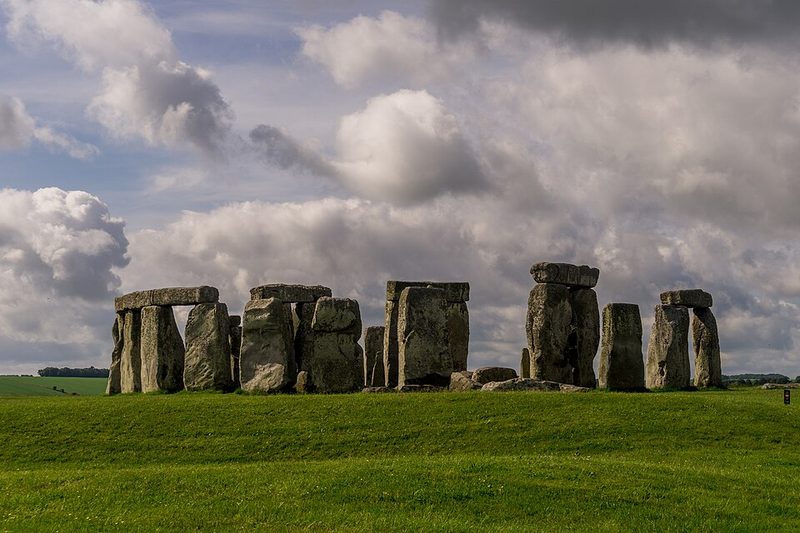
R1b is the most common Y-chromosome haplogroup in Western Europe today, carried by roughly half of men in parts of Ireland, Wales, and the Basque Country. Its ancient history, however, traces back to the Eurasian steppe rather than Western Europe itself.
At a glance
| Type | Y-DNA (paternal line) |
|---|---|
| Estimated age | ~20,000 years for the broader R lineage; the dominant R1b-M269 subclade expanded roughly 4,500–5,000 years ago |
| Modern peak frequency | Western Europe, especially Ireland, Wales, the Basque Country, and parts of France |
| Key ancient association | Yamnaya steppe pastoralists and the subsequent Bell Beaker culture |
From the steppe to Western Europe
Ancient DNA studies show that R1b-M269, the subclade now dominant in Western Europe, was rare or absent there before the Bronze Age. It arrived with the westward expansion of Yamnaya-related steppe ancestry beginning around 3000 BCE, part of the same broad migration wave discussed in our Bronze Age Steppe ancestry guide.
The Bell Beaker connection
R1b's spread through Western Europe is closely tied to the Bell Beaker archaeological culture, named for its distinctive bell-shaped pottery. Ancient DNA from Bell Beaker-associated burials in Britain shows an almost complete replacement of the previous Neolithic farmer paternal lineages with R1b within a few centuries — one of the most dramatic population turnovers documented in the ancient DNA record.
Major subclades and where they're common today
Testing companies almost always report a specific R1b subclade rather than "R1b" alone, since the branches settled into fairly distinct regional patterns after the Bronze Age expansion:
| Subclade | Where it's most common |
|---|---|
| R1b-L21 | Dominant across the British Isles and Atlantic Europe; the majority Y-DNA lineage in much of Ireland, Scotland, and Wales |
| R1b-U106 | Concentrated in Germanic-speaking areas of central and northern Europe, including Germany, the Netherlands, and southern Scandinavia |
| R1b-DF27 | The dominant R1b branch on the Iberian Peninsula, common across Spain and Portugal |
Outside these core areas, R1b is also present at lower frequencies across most of the rest of Europe, reflecting the broad reach of the original steppe and Bell Beaker expansions.
What carrying R1b means — and doesn't mean
A modern R1b result reflects a single unbroken paternal line stretching back thousands of years; it says nothing about the other branches of your family tree, which may carry entirely different ancestral histories. See our full explainer on how Y-DNA and mtDNA haplogroups work for the broader context.
FAQ
Is R1b the "Celtic" or "Viking" haplogroup?
Not specifically. R1b is common across many Western European populations regardless of Celtic or Norse identity, since it arrived long before either of those cultures existed. Its high frequency today reflects the Bronze Age steppe migration, not any single later culture.
Does having R1b mean I'm descended from the Yamnaya?
It means your direct paternal line likely traces back to populations descended from Yamnaya-related steppe migrants, but your overall ancestry is shaped by thousands of other ancestors too. A haplogroup traces one line only, not your whole genome.
What does haplogroup R1b mean for my ancestry?
It means your direct paternal line traces back to Yamnaya-related steppe pastoralists who expanded into Europe around 3000 BCE and, in Western Europe, to the Bell Beaker culture that followed. Which specific subclade you carry, such as R1b-L21 (Atlantic/British Isles), R1b-U106 (Germanic-speaking areas), or R1b-DF27 (Iberia), narrows this down to a particular regional history.
Is R1b rare or common?
R1b is one of the most common Y-DNA haplogroups in the world, not rare at all. It's carried by a large majority of men in Ireland, Wales, and the Basque Country, and remains the single most frequent paternal haplogroup across most of Western and Central Europe.